The complete guide to Rick Simpson Oil (RSO), what it is, where it came from, how it's made, how it compares to CBD oil, THC oil, and other concentrates, plus its benefits, downsides, and how to use it safely.
⚕️ A note on medical claims: Phoenix Tears is associated with significant anecdotal claims, including for cancer treatment. Most of these claims have not been validated by clinical trials. This article presents what's known, what's claimed, and what the research actually supports, clearly distinguishing between them. Phoenix Tears should not replace conventional medical treatment. Always discuss any cannabis use with your healthcare provider.
Table of Contents
- What Are Phoenix Tears? (RSO Explained)
- The Origin Story: Rick Simpson and the Name “Phoenix Tears”
- How Phoenix Tears Is Made
- What’s Inside Phoenix Tears (Cannabinoid Profile)
- Phoenix Tears vs. Other Cannabis Oils
- Benefits, Downsides, and Side Effects
- Medical Use Cases (Pain, Mental Health, Cancer)
- How to Use Phoenix Tears Safely
- Buying Phoenix Tears in Canada
- Frequently Asked Questions
1. What Are Phoenix Tears? (RSO Explained)
Phoenix Tears, more formally known as Rick Simpson Oil (RSO), is a thick, dark, full-spectrum cannabis extract with extremely high concentrations of THC, typically 60–90% THC alongside smaller amounts of CBD and other cannabinoids. It’s produced by extracting the cannabinoids and other compounds from cannabis plant material using a solvent (most commonly ethanol or grain alcohol), then evaporating the solvent off, leaving behind a viscous oil.
You’ll see Phoenix Tears called by several names:
- RSO, Rick Simpson Oil, named for its creator
- Phoenix Tears, Rick Simpson’s preferred name, taken from the website (phoenixtears.ca) where he originally distributed the recipe
- FECO, Full Extract Cannabis Oil, a more clinical term used in some dispensary settings
- Hash oil, an older catch-all term, though “hash oil” can also mean other concentrates
What sets Phoenix Tears apart from other cannabis concentrates isn’t just the high THC content, it’s the full-spectrum nature of the extract. Unlike refined products like distillate, which strip out everything except a single cannabinoid, RSO is designed to keep the entire plant profile: all the cannabinoids (THC, CBD, CBG, CBN), the terpenes, the flavonoids, and everything else cannabis naturally produces. This is sometimes referred to as the “entourage effect”, the theory that cannabis compounds work better together than in isolation.
Quick definition: Phoenix Tears = whole-plant cannabis extract, very high in THC (usually 60–90%), produced via solvent extraction. Used primarily for medical/therapeutic purposes due to potency. Most often consumed orally in tiny doses.
2. The Origin Story: Rick Simpson and the Name “Phoenix Tears”
Phoenix Tears is named after the website (phoenixtears.ca) created by Rick Simpson, a Canadian engineer and cannabis advocate. The name evokes the mythical phoenix, a symbol of rebirth and healing, which Simpson chose to reflect what he believed the oil represented for his health.
Simpson’s story has become part of cannabis folklore, but the verifiable facts are these:
- Simpson was a Canadian engineer who suffered a severe head injury in the late 1990s, leaving him with persistent tinnitus and dizzy spells that didn’t respond to conventional medication. He turned to cannabis and found it helped his symptoms.
- In 2003, Simpson was diagnosed with basal cell carcinoma, a common, generally non-aggressive form of skin cancer.
- He recalled hearing about a 1975 study published in the Journal of the National Cancer Institute reporting that THC inhibited tumor growth in mice. This inspired him to try treating his own cancer with cannabis oil.
- Simpson developed his own extraction method using ethanol or naphtha as a solvent, applying the resulting oil topically to his skin lesions and covering them with bandages.
- According to Simpson’s own accounts, his skin cancer cleared up within days. He never sought independent medical verification of this outcome.
- After his self-reported success, Simpson began producing the oil in larger quantities and giving it away for free to other patients. He documented his recipe on phoenixtears.ca and in his book Phoenix Tears: The Rick Simpson Story.
- In 2009, the Royal Canadian Mounted Police raided his property and confiscated his cannabis plants. Facing legal pressure, Simpson eventually relocated to Europe, where he continued advocating for medical cannabis.
An honest note on the cancer claims: Rick Simpson’s account of curing his own skin cancer with cannabis oil is widely shared in the cannabis community, but it has never been independently verified by medical authorities. Basal cell carcinoma is a slow-growing cancer that occasionally regresses on its own, so the role of the oil in his outcome is unclear. There are no human clinical trials demonstrating that RSO cures cancer in any form. Anyone using Phoenix Tears as part of cancer care should do so alongside conventional treatment under medical supervision, never as a replacement.
That said, Simpson’s contribution to the cannabis movement is real: he popularized the concept of full-spectrum, high-THC cannabis oil as a therapeutic option, and his work inspired thousands of patients to explore cannabis for symptom management.
3. How Phoenix Tears Is Made
The classic Rick Simpson Oil method is a solvent extraction process. Here’s an overview of how it works (note: this is for educational purposes; making RSO at home involves flammable solvents and is genuinely dangerous):
- Plant material is selected. Most RSO is made from indica-dominant strains because of their typically higher THC content and full cannabinoid profile. Both flowers and trim can be used, though flower produces a more potent final product.
- The cannabis is soaked in solvent. Traditionally Simpson used naphtha; today, food-grade ethanol (190-proof grain alcohol) is more common because it’s safer and doesn’t leave toxic residue. The solvent dissolves the cannabinoids, terpenes, and other compounds out of the plant material.
- The plant matter is filtered out. What’s left is a solvent-cannabinoid solution.
- The solvent is evaporated off using low heat (typically below 110°C / 230°F) to leave behind the concentrated oil. This step is repeated until almost all the solvent has evaporated.
- The oil is decarboxylated, gently heated to convert THCA (the non-psychoactive form found in raw cannabis) into THC (the active form). For commercial RSO, this often happens during the evaporation step itself.
- The finished oil is loaded into syringes for accurate dosing and storage.
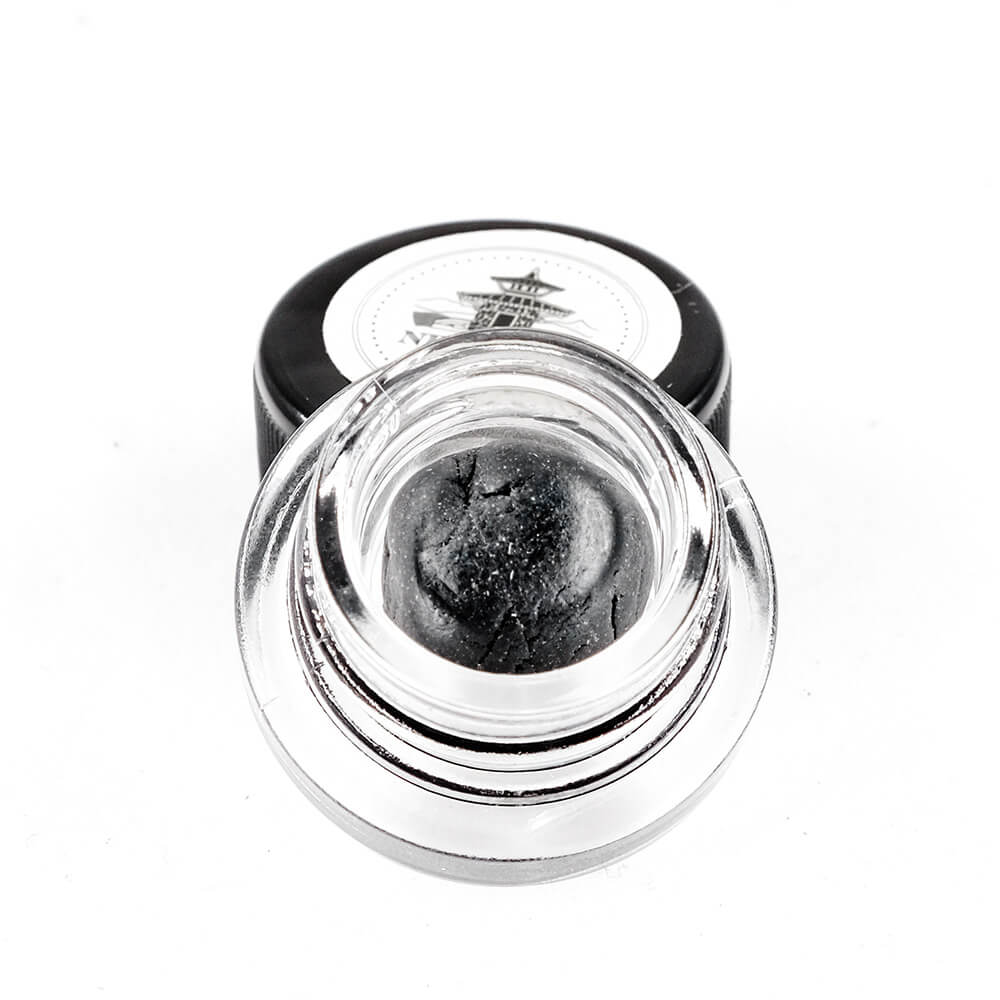
The resulting product is a thick, dark, sticky oil, typically the color of dark molasses or motor oil, that’s potent enough that a dose smaller than a grain of rice contains significant THC.
Don’t make RSO at home. The solvents used (ethanol, naphtha, butane) are highly flammable, and the evaporation step has caused house fires and explosions. There have been fatalities from amateur cannabis extraction. Modern licensed producers use closed-loop systems with proper safety controls. If you want RSO, buy it from a licensed source.
4. What’s Inside Phoenix Tears (Cannabinoid Profile)
Phoenix Tears is a full-spectrum extract, which means it contains all the major and minor cannabinoids naturally present in the source plant. The exact ratios vary by strain and producer, but a typical RSO profile looks something like this:
| Cannabinoid | Typical Range | What It Does |
|---|---|---|
| THC (delta-9-tetrahydrocannabinol) | 60–90% | Primary psychoactive compound; associated with pain modulation, appetite stimulation, antiemetic effects |
| CBD (cannabidiol) | 1–10% | Non-psychoactive; associated with anti-inflammatory and anxiolytic effects in some research |
| CBN (cannabinol) | Trace–2% | Mildly psychoactive; often described as sedating; forms as THC ages |
| CBG (cannabigerol) | Trace–1% | Non-psychoactive minor cannabinoid; preliminary research on anti-inflammatory properties |
| CBC (cannabichromene) | Trace | Non-psychoactive; under research for various effects |
| Terpenes | Variable | Aromatic compounds that contribute to flavor, aroma, and possibly to therapeutic effects |
For comparison: a typical cannabis flower runs 15–25% THC, and a strong edible might be 10mg of THC per serving. Phoenix Tears is concentrated enough that a single drop the size of half a grain of rice can contain 25mg+ of THC. This is why dosing is everything with RSO.
5. Phoenix Tears vs. Other Cannabis Oils
One of the most common questions about Phoenix Tears is how it compares to other cannabis oils on the market. The cannabis concentrate space has grown enormously, and the differences matter, not just for the experience, but for legality, cost, and intended use.
Phoenix Tears vs. CBD Oil
This is the most fundamental distinction. CBD oil contains primarily cannabidiol (CBD) with little or no THC, typically less than 0.3% if it’s a hemp-derived product. It is not psychoactive and won’t get you high. Phoenix Tears, by contrast, is dominated by THC and is highly psychoactive.
CBD oil is generally used for everyday wellness applications, including anxiety, mild pain, sleep support, and inflammation. Phoenix Tears is reserved for situations where the user specifically wants the strong THC effect, typically more significant pain, sleep issues, or symptom management around serious illness. For users who want benefits without intoxication, CBD oil is the better choice.
Phoenix Tears vs. THC Oil (THC Distillate)
Both are high-THC products, but they’re produced differently and have different profiles. THC distillate is a highly refined product that isolates THC (sometimes reaching 95%+ purity) by distilling it out of the plant material. The process strips away most other cannabinoids and terpenes, what you get is essentially pure THC.
Phoenix Tears, in contrast, is a whole-plant extract. It contains less THC by percentage than distillate but retains the full cannabinoid and terpene spectrum. Distillate users tend to prefer it for vape pens and edibles where consistency and purity matter; RSO users prefer the full-spectrum profile for therapeutic applications. For more on distillate, see our THC distillate guide.
Phoenix Tears vs. BHO (Butane Hash Oil)
BHO is another solvent extract, but it uses butane (a hydrocarbon) instead of ethanol. The result is typically a more refined product, shatter, wax, budder, or other concentrates suitable for dabbing. BHO is generally consumed by inhalation (dabbing or vaping) rather than orally.
The key practical differences: BHO is for getting high quickly via inhalation; Phoenix Tears is for slower-onset, longer-lasting effects via oral consumption. BHO production also raises some concerns about residual solvents, ethanol-based RSO is generally considered safer in this respect, though licensed BHO production includes thorough purging steps.
Phoenix Tears vs. CO2 Oil
CO2 extraction uses pressurized supercritical carbon dioxide instead of a chemical solvent. The advantage is purity, there’s no solvent residue to worry about, and the process can be precisely tuned to extract specific compounds. CO2 oil is often used in vape cartridges and clinically positioned products.
Compared to RSO, CO2 oil is generally cleaner and more refined, but it loses some of the full-spectrum profile that RSO preserves. CO2 extraction equipment is also expensive, which is why CO2 oil tends to be priced higher. The decision between them often comes down to whether you prioritize purity (CO2) or full-spectrum entourage effect (RSO).
Phoenix Tears vs. Rosin
Rosin is a solventless extract, produced by applying heat and pressure to cannabis flowers to squeeze out a resin-like extract. No chemicals are involved, which appeals to users who prefer natural products. Live rosin (made from fresh-frozen flower) preserves a particularly rich terpene profile.
RSO and rosin serve different purposes: rosin is typically dabbed or vaped at low temperatures for flavor and rapid onset; RSO is consumed orally for therapeutic effect. Rosin tends to be more expensive on a per-gram basis but produces a higher-quality experience for users prioritizing flavor and purity.
Phoenix Tears vs. Live Resin
Live resin is another high-end concentrate, made from flash-frozen cannabis using solvent extraction (typically butane or propane) to preserve the volatile terpenes that get lost during normal drying. It’s prized for its intense flavor profile.
The contrast with Phoenix Tears is stark: live resin is for connoisseurs who want flavor and a vibrant terpene experience via dabbing or vaping; RSO is a utilitarian medical product where flavor is irrelevant. Live resin and RSO have almost completely different use cases despite both being potent cannabis extracts. For more on live resin, see our live resin guide.
Quick Reference: Which Oil for Which Purpose?
| If you want… | Best fit | Why |
|---|---|---|
| Wellness without intoxication | CBD oil | Non-psychoactive; well-tolerated |
| Strong therapeutic effects, oral use | Phoenix Tears / RSO | Full-spectrum, very potent, long-lasting |
| Recreational dabbing or vaping | BHO, live resin, or rosin | Designed for inhalation, fast onset |
| Precise THC dosing in edibles or vapes | THC distillate or CO2 oil | Refined, predictable cannabinoid content |
| Solvent-free extraction | Rosin or live rosin | No chemical solvents involved |
| Maximum flavor preservation | Live resin | Flash-frozen process protects terpenes |
6. Benefits, Downsides, and Side Effects
Phoenix Tears is associated with a wide range of reported therapeutic benefits, many of which are anecdotal and lack rigorous clinical validation. We’ll be clear about which is which.
Reported Benefits (User Experience and Limited Research)
Users and small studies have reported the following potential benefits of full-spectrum cannabis extracts like RSO:
- Pain relief. The strongest evidence for cannabis-derived medications is for chronic pain, particularly neuropathic pain. The 2017 National Academies of Sciences, Engineering, and Medicine review concluded there is “conclusive or substantial evidence” that cannabis or cannabinoids are effective for chronic pain in adults. Effect sizes are modest but real.
- Sleep support. The sedative effect of high-THC products combined with CBN content can help with falling asleep, though long-term effects on sleep quality are less clear.
- Appetite stimulation. THC’s appetite-stimulating effect (“the munchies”) is well-documented and can be useful for patients who have lost appetite due to chemotherapy or other medical treatments.
- Nausea and vomiting (especially chemotherapy-related). The antiemetic effect of THC has the strongest research backing, it’s the basis for FDA-approved medications like dronabinol.
- Anti-inflammatory effects. Cannabinoids interact with immune system pathways and may reduce inflammation, with biologically plausible mechanisms but mixed clinical evidence.
- Topical skin applications. Some users apply RSO to skin conditions, including eczema, psoriasis, and minor skin lesions. Evidence here is largely anecdotal.
📊 What’s overstated: You’ll find many sources online claiming Phoenix Tears “cures cancer,” “kills cancer cells,” or “treats Alzheimer’s, Parkinson’s, MS.” These claims are not supported by clinical evidence in humans. Some preclinical (lab and animal) studies show interesting effects of cannabinoids on tumor cells, but these results have not been replicated in human trials. Phoenix Tears is not a cancer cure. Anyone using cannabis as part of cancer care should do so alongside conventional treatment under medical supervision.
Common Side Effects
Because Phoenix Tears is so high in THC, side effects can be significant, especially for users without prior cannabis tolerance:
- Strong psychoactive effects. At any meaningful dose, Phoenix Tears will produce a strong high. This is unavoidable. Many medical users see this as a side effect rather than a desired feature.
- Anxiety, paranoia, or panic. High doses of THC can trigger anxiety, especially in inexperienced users. People with anxiety disorders are at elevated risk.
- Sedation and impaired coordination. Often pronounced. Don’t drive or operate machinery after dosing.
- Dry mouth and red eyes. Mild but reliable.
- Increased heart rate. Users with cardiovascular conditions should be cautious.
- Cognitive fog. Memory, attention, and concentration are typically impaired during effects.
- Cannabinoid hyperemesis syndrome. Rare but real, chronic heavy cannabis use can cause cyclic vomiting in some users.
Drug Interactions
This is the most-overlooked aspect of Phoenix Tears use. THC and CBD are metabolized by the same liver enzymes (CYP3A4, CYP2C9, CYP2C19) that process many prescription medications. Documented interactions include:
- Blood thinners (warfarin, others), increased bleeding risk possible
- Sedatives, sleep medications, benzodiazepines, additive sedation
- Opioids, additive sedation and respiratory depression
- Antidepressants (SSRIs, MAOIs), interactions vary; MAOIs particularly concerning
- Anti-seizure medications, CBD can raise levels of some
- Heart medications, THC can raise heart rate
- Chemotherapy drugs, possible interactions via CYP450 pathways
If you take any prescription medication, talk to your pharmacist or doctor before using Phoenix Tears.
Long-Term Considerations
- Tolerance builds with regular use, same dose produces less effect over time
- Cannabis use disorder is possible. Older estimates suggested ~9% of users develop dependence; more recent studies in higher-potency-cannabis eras estimate 10–30% of users overall, with 25–50% of daily users meeting criteria.
- Withdrawal symptoms can occur after prolonged daily use (irritability, sleep disturbance, decreased appetite)
- For users under 25, heavy long-term use has been associated with possible cognitive effects in some research
- People with personal or family history of psychosis face elevated risk from high-THC products
7. Medical Use Cases (Pain, Mental Health, Cancer)
Many people come to Phoenix Tears looking for relief from specific medical conditions. Below is an overview of the most common applications, with links to deeper, condition-specific guides where the topic warrants more depth.
Phoenix Tears for Chronic Pain
Pain management is the most evidence-supported use of cannabis-derived medications. The 2017 National Academies review identified chronic pain as one of the few conditions where the evidence is “substantial.” For Phoenix Tears specifically, patients commonly use it for neuropathic pain, cancer-related pain, and fibromyalgia. Dosing approach is typically microdose-and-titrate (start with 2.5 mg of THC and increase slowly).
Read our complete patient’s guide to Phoenix Tears for pain management →
Phoenix Tears for Anxiety, Depression, and Sleep
Mental health applications are more complicated than pain. The research is mixed: low doses of CBD have shown some anxiety-reduction benefit in trials, but high-THC products like Phoenix Tears can worsen anxiety in many users due to a biphasic dose-response. People with personal or family history of psychotic disorders face elevated risk. We’ve put together an honest, balanced look at the relationship between Phoenix Tears and mental health.
Read our balanced guide to Phoenix Tears and mental health →
Phoenix Tears in Cancer Care
Cancer is the use case most associated with Phoenix Tears in popular culture, thanks to Rick Simpson’s own story. We need to be especially honest here because misinformation in this area can have life-or-death consequences.
Phoenix Tears does not cure cancer. No clinical trial in humans has demonstrated that RSO or any cannabis preparation cures any form of cancer. Anyone who tells you otherwise is either misinformed or has something to sell you. People who have replaced conventional cancer treatment with cannabis oil have died from preventable cancer progression.
What cannabis (including Phoenix Tears) can do in cancer care, with reasonable evidence behind it:
- Help manage chemotherapy-induced nausea and vomiting. This is one of the few cannabis applications with strong clinical evidence, the National Academies review classified it as having “conclusive or substantial evidence.”
- Stimulate appetite in patients with cancer-related anorexia or chemotherapy-induced loss of appetite.
- Reduce cancer-related pain, especially as an adjunct to opioids. Some patients work with their oncologists to reduce opioid doses.
- Improve sleep quality, which can be dramatically affected during cancer treatment.
If you or a family member is considering Phoenix Tears as part of cancer care, please discuss it with your oncology team. Many oncologists are familiar with cannabis as supportive care, and they can help you avoid drug interactions with your specific treatment regimen.
8. How to Use Phoenix Tears Safely
Most patients consume Phoenix Tears orally, but there are several methods. Each has different onset times, durations, and use cases.
Oral / Sublingual
The most common method. A small amount of oil (usually a fraction of a grain of rice in size) is placed under the tongue or swallowed directly with food. Sublingual absorption is faster (effects within 15–45 minutes); swallowed dosing takes longer (60–90 minutes) but produces longer-lasting effects (4–8 hours).
Mixed With Food
Phoenix Tears can be mixed into food, typically things with some fat content (yogurt, peanut butter, oils) since cannabinoids are fat-soluble. This masks the strong taste and produces consistent edible-style effects. Don’t use with hot food, as high heat can degrade cannabinoids.
Capsules
Some users put pre-measured doses of Phoenix Tears into empty gelatin capsules for easier, taste-free dosing. This is especially useful for daily-use protocols where consistency matters.
Topical Application
Phoenix Tears can be applied directly to the skin for localized issues, joint pain, skin conditions, or muscle soreness. Topical absorption produces minimal psychoactive effect because very little THC reaches the bloodstream through skin.
Suppositories
Less common, but some patients use rectal suppositories for conditions affecting the lower digestive tract or pelvic region. This route bypasses first-pass liver metabolism.
The Microdose Protocol (Most Common)
Week 1: Start with 2.5 mg of THC (a drop the size of half a grain of rice) once or twice daily. Evaluate how your body responds.
Weeks 2–4: Increase by 2.5 mg every 3–7 days as tolerated, watching for side effects.
Maintenance: Most patients settle at 10–25 mg taken at bedtime. Some need higher doses; others get good results at lower ones.
The “Rick Simpson Protocol” (60 grams of RSO over 90 days) was developed for advanced cancer treatment under self-administration and is not appropriate for general use, it produces severe psychoactive effects and should only be considered under medical supervision for specific situations.
Never drive or operate machinery after taking Phoenix Tears. Canada’s impaired driving laws apply regardless of medical use, and the impairment from RSO can last 6–12 hours depending on dose.
9. Buying Phoenix Tears in Canada
Phoenix Tears / RSO is legal in Canada under the Cannabis Act when purchased from licensed sources. Here’s what to look for:
- The standardized cannabis symbol, a stylized “THC” inside an octagon, required on all legal cannabis packaging in Canada
- Bilingual health warnings in English and French
- Child-resistant packaging, required by Canadian regulations
- THC and CBD content stated in mg per ml and per total package
- Lab-test verification, reputable producers publish certificates of analysis
Products without these features may not be from a regulated source, which means dosing accuracy and contaminant testing aren’t guaranteed. For medical use, where consistency matters, this is a significant safety consideration.
BMWO offers a curated selection of lab-tested Phoenix Tears products with full cannabinoid breakdowns on every label. Popular brands in our catalog include Viridesco RSO (Pink Kush, El Chapo strains) and other licensed Canadian producers.
10. Frequently Asked Questions About Phoenix Tears
There’s no real difference, they’re two names for the same thing. “Rick Simpson Oil” or “RSO” is the more clinical name; “Phoenix Tears” is what Rick Simpson himself called it, taken from his website (phoenixtears.ca). Some products may use one name or the other based on branding preference, but functionally they refer to the same type of full-spectrum, high-THC cannabis extract.
Yes, Phoenix Tears is legal in Canada when purchased from licensed retailers under the Cannabis Act. Products must come in approved packaging with bilingual warnings, lab-test verification, and child-resistant containers. Buying from unlicensed sources is technically illegal and risks getting unregulated, untested products.
Typically 60–90% THC, depending on the source plant and producer. This is dramatically more concentrated than cannabis flower (which runs 15–25%) or even most edibles. A drop the size of half a grain of rice can contain 25 mg or more of THC, enough to produce strong effects in someone without tolerance.
Technically yes, but it’s not the intended use. Phoenix Tears can be added to a joint, blunt, or bowl of cannabis flower in small amounts. Direct smoking or vaping is messy and inefficient because of the oil’s thick consistency. RSO is designed for oral consumption, that’s where its therapeutic profile shines. If you want to inhale, products like live resin or BHO are better suited.
Yes, at any meaningful dose, Phoenix Tears will produce strong psychoactive effects. The high THC content makes this unavoidable. Microdoses (2.5 mg or less) may produce mild effects in tolerant users; standard medical doses (10+ mg) produce noticeable intoxication. This is why most patients dose at bedtime, the strong high is more manageable when you’re not trying to function.
No. Despite Rick Simpson’s own claims and many anecdotal reports online, no clinical trial in humans has demonstrated that Phoenix Tears or any cannabis preparation cures cancer. Some preclinical studies show interesting effects of cannabinoids on tumor cells in lab and animal models, but these results have not been replicated in human trials. Phoenix Tears may help with cancer-related symptoms (pain, nausea, appetite loss, sleep) but should never replace conventional cancer treatment. People who have substituted RSO for medical care have died from preventable cancer progression.
When taken orally, effects typically last 4–8 hours, with onset around 60–90 minutes after dosing. Higher doses can extend duration to 12 hours or more. Sublingual administration produces faster onset (15–45 minutes) but similar overall duration. The long duration is one reason RSO is well-suited to evening or bedtime dosing.
Store in the original syringe or container, in a cool, dark place. Refrigeration extends shelf life and helps preserve cannabinoid potency. Keep away from heat, light, and air, all of which degrade THC over time (it converts to CBN, which is less psychoactive). Properly stored, Phoenix Tears can remain potent for 1–2 years. Always keep out of reach of children, the small dose size of RSO makes accidental child exposure especially dangerous.
It’s possible, and Rick Simpson’s original recipe is publicly available, but we strongly recommend against it. Home extraction involves boiling flammable solvents, and there have been house fires, explosions, and fatalities from amateur attempts. Licensed producers use closed-loop systems with proper safety controls. Given that lab-tested RSO is widely available from licensed Canadian retailers, the risk of home production isn’t worth it.
Looking for Lab-Tested Phoenix Tears?
BMWO offers a curated selection of premium RSO from licensed Canadian producers. Every product is lab-tested with full cannabinoid breakdowns on the label, so you know exactly what you’re getting.
Last updated: April 2026. We update this guide as new research emerges and product availability changes. For specific medical applications, please see our pain management guide and mental health guide, both reviewed by medical professionals.

Gord
Senior buyer at BMWO since 2016. I've been in the BC craft scene since my teens in the late 80s and I review every strain that makes it onto the shelf - if Gord says it smokes good, it smokes good.