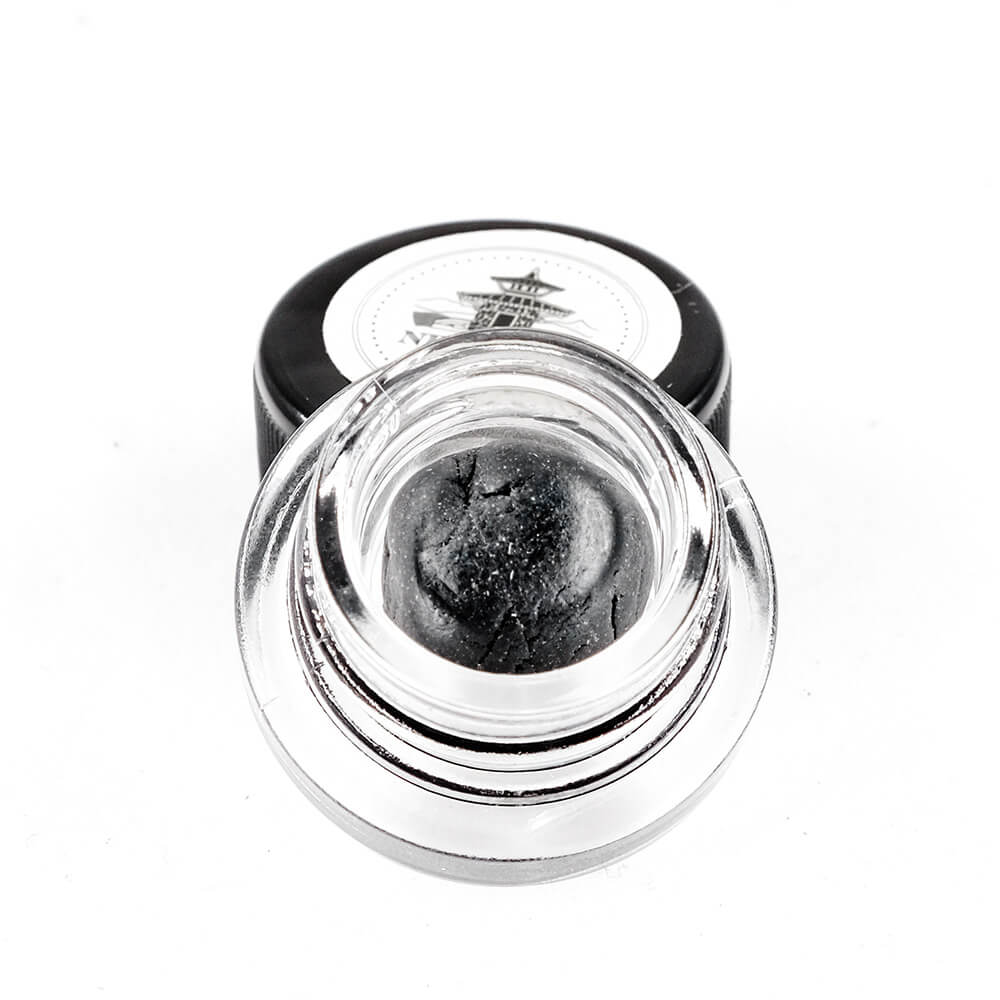
A clinically informed look at what research suggests about Phoenix Tears for chronic pain — including dosing approaches, condition-specific considerations, drug interactions, and when to talk to your doctor.
⚕️ Medical Disclaimer: This article is for informational purposes only and is not a substitute for professional medical advice. Always consult your healthcare provider before starting cannabis for any medical condition, especially if you're taking prescription medications or have underlying health conditions. The information here reflects current research and user experience but should not be used to self-diagnose or self-treat.
Table of Contents
- What Are Phoenix Tears? (RSO Explained)
- How Phoenix Tears May Affect Pain (The Endocannabinoid System)
- Which Types of Pain Have the Strongest Evidence
- Microdose Protocol — How Patients Approach Dosing
- Drug Interactions and Contraindications
- Side Effects and Safety Profile
- When to Talk to Your Doctor
- Legal Status and Buying Safely in Canada
- Frequently Asked Questions
- References
If you’ve been living with chronic pain that hasn’t responded fully to conventional treatment, you may have come across Phoenix Tears — the popular name for Rick Simpson Oil (RSO) — as a possible adjunct. This guide is designed to give you a clear-eyed view of what the research suggests, what other patients commonly do, and — critically — what your doctor and pharmacist need to know if you’re considering trying it.
We’ll be honest about what’s known and unknown. Phoenix Tears are a high-THC, full-spectrum cannabis extract with anecdotal reports of pain relief going back to the early 2000s. The clinical research is genuinely promising for some pain types and limited for others. Knowing the difference matters.
1. What the Research Actually Says About RSO and Pain
Let’s start with what’s been studied. There is no large, randomized clinical trial specifically on RSO/Phoenix Tears for pain. However, there is a substantial body of research on the active cannabinoids inside RSO — primarily THC and CBD — and on whole-plant cannabis extracts more broadly.
📊 What the evidence shows: A 2017 report from the U.S. National Academies of Sciences, Engineering, and Medicine concluded there is “conclusive or substantial evidence that cannabis or cannabinoids are effective for the treatment of chronic pain in adults.” This was based on a review of multiple systematic reviews and randomized controlled trials. Subsequent guidance from NCCIH (NIH) describes “modest benefits” for chronic pain, with most research focusing on neuropathic pain. More recent systematic reviews (2024–2025) describe the overall evidence as “moderate” and note that effects are most consistent for neuropathic pain and multiple sclerosis-related spasticity.
That said, “cannabis is helpful for chronic pain” is not the same as “Phoenix Tears cures chronic pain.” Important distinctions:
- Most studies use standardized cannabis-derived medications (like Sativex/nabiximols) or controlled flower, not high-THC concentrates like RSO. Findings may not translate directly.
- Effect sizes are modest. The standard clinical benchmark for “meaningful pain relief” is a 30% reduction in pain scores. Meta-analyses show roughly 29–39% of patients on cannabis or cannabinoids reach this threshold, compared with 25–30% on placebo — a real but modest advantage. Cannabis is not a cure for chronic pain; many patients use it alongside other treatments rather than as a replacement.
- Not everyone responds. Per the same data, fewer than half of users meet the threshold for clinically meaningful relief; others see little benefit or experience side effects that outweigh benefits.
- Long-term safety data is limited. Most clinical trials run weeks to months, not years.
2. How Phoenix Tears May Affect Pain (The Endocannabinoid System)
Your body has a built-in regulatory system called the endocannabinoid system (ECS) that helps modulate pain, mood, sleep, appetite, and immune response. It uses receptors called CB1 (concentrated in the brain and central nervous system) and CB2 (more common in immune tissue and the periphery).
The cannabinoids in Phoenix Tears interact with this system in several ways researchers have characterized:
- THC binds directly to CB1 receptors, which is associated with reduced pain signaling and the psychoactive “high.” This is the mechanism most associated with neuropathic and centralized pain relief.
- CBD doesn’t bind strongly to CB1 or CB2 but appears to influence the ECS indirectly, modulate inflammation, and reduce some of THC’s psychoactive effects.
- The “entourage effect” describes the theory that whole-plant extracts (like RSO) work better than isolated cannabinoids because of synergy with terpenes and minor cannabinoids. Evidence here is suggestive but not yet definitive.
For a deeper look at the broader RSO chemistry and history, see our main Phoenix Tears guide.
3. Which Types of Pain Have the Strongest Evidence
Not all pain responds to cannabis the same way. Based on current research and patient-reported outcome data, here’s how the evidence stacks up:
| Pain Type | Evidence Quality | What’s Reported |
|---|---|---|
| Neuropathic pain (nerve damage from MS, diabetes, post-shingles, chemotherapy) | Most evidence | Multiple RCTs show modest reductions in pain scores. NCCIH and most systematic reviews focus their cannabis-pain conclusions here. Effect sizes are real but modest — typically 0.4–0.8 points lower on a 10-point pain scale than placebo. |
| Cancer-related pain | Moderate | Often used as an adjunct to opioids. Some patients report reduced opioid requirement. Generally prescribed alongside, not instead of, conventional treatment. |
| Chronic non-cancer pain (fibromyalgia, persistent musculoskeletal) | Limited / Mixed | Patient-reported relief is common; clinical trial evidence is mixed. Recent reviews characterize evidence as inconsistent. |
| Inflammatory pain (arthritis, autoimmune conditions) | Limited | Anti-inflammatory mechanisms are biologically plausible; clinical evidence growing but not conclusive. |
| Acute pain (post-surgical, injury) | Weak / Inconclusive | Studies have produced mixed results. Cannabis is generally not first-line for acute pain. |
| Headache / migraine | Emerging | Promising preliminary research, but rigorous trials are still in progress. |
Plain English: If you have nerve pain (especially from MS, diabetes, or post-chemo neuropathy) or cancer-related pain, the research is most encouraging. For acute pain or simple muscle soreness, evidence is weaker and conventional treatments are usually the better starting point.
4. Microdose Protocol — How Patients Approach Dosing
RSO is extremely potent — most products contain 60–90% THC. A grain of rice-sized drop can contain 25–50mg of THC, which is enough to produce strong psychoactive effects in someone who hasn’t built tolerance. This is why dosing matters more here than with almost any other cannabis product.
⚠️ Important: The “Rick Simpson Protocol” (60 grams of RSO over 90 days) was developed for advanced cancer treatment under self-administration. It is not appropriate for general pain management and produces severe psychoactive effects. Most pain patients use a fraction of those doses.
The Microdose Approach (Most Common for Pain)
Many patients and harm-reduction guides recommend starting with very small doses and increasing gradually. Canada’s Lower-Risk Cannabis Use Guidelines support a “start low, go slow” approach for any cannabis use.
| Phase | Typical Dose | Duration | What to Watch |
|---|---|---|---|
| Starting | 2.5–5 mg THC (a drop the size of half a grain of rice) | 3–7 days | How your body responds; any side effects |
| Adjusting | Increase by 2.5 mg every 3–7 days as tolerated | Until you reach effective dose | Pain reduction, side effects, sleep quality |
| Maintenance | Whatever effective dose you found — often 10–25 mg taken at bedtime | Ongoing, with periodic tolerance breaks | Whether dose remains effective |
Dosing format also matters. Most patients take RSO orally (sublingually under the tongue, or swallowed with food), which produces longer-lasting effects (4–8 hours) but takes 60–90 minutes to onset. Some apply it topically for localized joint pain — though absorption through skin is much lower than oral.
💡 Tip: Many pain patients prefer evening dosing because the psychoactive effects of THC are easier to manage when you’re not driving, working, or operating machinery. Also: never drive after using THC. Canada’s impaired driving laws apply regardless of medical use.
5. Drug Interactions and Contraindications
This is the section most often skipped in cannabis content, and it’s the most important. THC and CBD are metabolized by the same liver enzymes (CYP3A4, CYP2C9, CYP2C19) that process many common prescription medications. This means real, documented interactions exist.
| Medication / Class | Interaction Type | What to Do |
|---|---|---|
| Blood thinners (warfarin, others) | CBD can increase blood levels, raising bleeding risk | Discuss with prescribing doctor before use; INR monitoring may need adjustment |
| Sedatives, sleep medications, benzodiazepines | Additive sedation, increased impairment | Avoid combining; if combined, lower doses of both |
| Opioids | Additive sedation and respiratory depression | Some patients use cannabis to reduce opioid needs — but only under medical supervision |
| Antidepressants (SSRIs, SNRIs, MAOIs) | Possible interaction; effects vary by drug | Discuss with prescriber; watch for serotonin syndrome with MAOIs |
| Anti-seizure medications | CBD may raise levels of clobazam and others | Required medical supervision; dose adjustments often needed |
| Heart medications | THC can raise heart rate and affect blood pressure | Consult cardiologist; caution with arrhythmias or recent MI |
| Chemotherapy drugs | Possible interactions via CYP450 pathways | Always discuss with oncologist before adding cannabis |
Who Should Avoid Phoenix Tears Entirely
- People who are pregnant or breastfeeding
- People under 25 (particularly those with personal or family history of psychosis)
- People with current or past psychotic disorders (schizophrenia, bipolar with psychotic features)
- People with severe heart conditions or recent cardiac events
- People with a personal or family history of cannabis use disorder
6. Side Effects and Safety Profile
RSO is high-THC and can produce significant psychoactive effects, especially in people without tolerance. Common reported side effects include:
Short-term effects (typically dose-related)
- Dizziness, lightheadedness, or feeling “too high”
- Dry mouth and red eyes
- Increased heart rate
- Anxiety or paranoia (especially at higher doses or in inexperienced users)
- Sedation — sometimes intense (“couch lock”)
- Impaired coordination, judgment, and reaction time
- Memory and concentration issues during effects
Longer-term considerations
- Tolerance build-up — same dose produces less effect over time
- Cannabis use disorder is possible. Older estimates suggested ~9% of users develop dependence; more recent studies in higher-potency-cannabis eras estimate 10–30% of users overall, with 25–50% of daily users meeting criteria for cannabis use disorder.
- Withdrawal symptoms can occur after prolonged daily use (irritability, sleep disturbance, decreased appetite)
- Some research suggests heavy long-term use may affect cognitive function, especially when started before age 25
🏥 When to Stop and See Your Doctor
Stop using and contact a healthcare provider if you experience:
- Severe anxiety or panic that doesn’t subside within a few hours
- Hallucinations, paranoid thoughts, or feeling disconnected from reality
- Chest pain, palpitations, or shortness of breath
- Persistent vomiting (cannabinoid hyperemesis syndrome is rare but real)
- Worsening of any underlying medical condition
- Suicidal thoughts or significant mood changes
If you’re in crisis, call 9-8-8 (Canada Suicide Crisis Helpline) or go to your nearest emergency department.
7. When to Talk to Your Doctor
Even though cannabis is legal in Canada, that doesn’t mean you should approach it as a do-it-yourself project — especially for pain management. There are situations where having a doctor in the loop is essential, not optional.
Talk to your doctor before trying Phoenix Tears if any of the following apply:
- You take prescription medications of any kind
- You have heart, liver, or kidney disease
- You have a history of mental health conditions, especially psychosis, schizophrenia, or severe anxiety
- You’re being treated for cancer
- Your pain is new, getting worse, or hasn’t been properly diagnosed
- You’ve been told to avoid medications affecting your nervous system
- You’re undergoing surgery in the next 2–3 weeks
- You’re a senior or have multiple health conditions
Many Canadian doctors are now familiar with medical cannabis and can authorize it through the medical stream, which provides additional access options. If your doctor isn’t comfortable discussing cannabis, you can ask for a referral to a clinician who specializes in cannabinoid medicine. Organizations like the Canadian Consortium for the Investigation of Cannabinoids maintain practitioner directories.
8. Legal Status and Buying Safely in Canada
Phoenix Tears / RSO is legal in Canada under the Cannabis Act, when purchased from licensed sources. To verify a product is legitimately produced and tested:
- Look for the standardized cannabis symbol (a stylized “THC” inside an octagon) on packaging
- Check for required health warnings in both English and French
- Confirm child-resistant packaging — required by Canadian regulations
- Look for THC and CBD content stated in mg per ml and per total package
- Buy from licensed retailers — provincial cannabis stores or licensed online dispensaries
Products without these features may not be from a regulated source, which means dosing accuracy and contaminant testing are not guaranteed. For pain management — where consistency matters — this is a significant safety consideration.
9. Frequently Asked Questions
No — and you should never stop a prescribed pain medication without talking to your prescriber. Some patients work with their doctors to taper opioids while introducing cannabis as an adjunct, but this should always be a supervised process. Suddenly stopping certain pain medications (especially opioids and gabapentinoids) can cause withdrawal and rebound pain.
Most patients who respond report some change in pain within 2–4 weeks of consistent dosing at an effective level. If you’ve reached a moderate dose (10–20 mg THC) for several weeks with no meaningful change in pain, sleep, or function, Phoenix Tears may not be the right fit for you. A medical cannabis clinician can help you decide whether to continue, adjust, or stop.
No. Phoenix Tears is a high-THC, full-spectrum cannabis extract — typically 60–90% THC. CBD oil contains primarily CBD with little or no THC. They produce different effects: CBD oil is non-intoxicating and primarily marketed for inflammation and anxiety; Phoenix Tears produces strong psychoactive effects and is generally used for more significant pain. For more on the differences, see our Phoenix Tears vs other cannabis oils comparison.
At microdoses (2.5–5 mg THC), most experienced patients report mild relaxation rather than a strong high. At moderate to higher doses (10 mg+), psychoactive effects become more pronounced. Some patients accept this as part of the therapy — others find it interferes with daily function and prefer evening-only dosing. Your tolerance also matters; people with regular cannabis use experience less psychoactive effect at the same dose.
Some patients combine them — using CBD during the day for inflammation and Phoenix Tears at night for stronger pain relief and sleep. The research on combined use is limited, and combining CBD with high-THC products doesn’t always produce better outcomes. Discuss your full regimen with your doctor or a cannabis-knowledgeable pharmacist.
Long-term safety data on RSO specifically is limited. Long-term cannabis use generally is associated with tolerance buildup and possible development of cannabis use disorder. Older estimates suggested about 9% of regular users develop dependence; more recent studies estimate 10–30% of users overall and 25–50% of daily users. For those who started before age 25, possible cognitive effects have been documented. Periodic tolerance breaks and ongoing medical follow-up are recommended for any long-term use.
References & Further Reading
- National Academies of Sciences, Engineering, and Medicine. (2017). The Health Effects of Cannabis and Cannabinoids: The Current State of Evidence and Recommendations for Research. Washington, DC: The National Academies Press. doi: 10.17226/24625. nap.nationalacademies.org
- National Center for Complementary and Integrative Health (NCCIH). Cannabis (Marijuana) and Cannabinoids: What You Need To Know. nccih.nih.gov
- Government of Canada. Canada’s Lower-Risk Cannabis Use Guidelines. canada.ca
- Stockings E, Campbell G, Hall WD, et al. (2018). Cannabis and cannabinoids for the treatment of people with chronic noncancer pain conditions: a systematic review and meta-analysis. Pain, 159(10), 1932–1954. PMID: 29847469.
- Allan GM, Finley CR, Ton J, et al. (2018). Systematic review of systematic reviews for medical cannabinoids: Pain, nausea and vomiting, spasticity, and harms. Canadian Family Physician, 64(2), e78–e94. PMID: 29449262.
- Whiting PF, Wolff RF, Deshpande S, et al. (2015). Cannabinoids for Medical Use: A Systematic Review and Meta-analysis. JAMA, 313(24), 2456–2473. PMID: 26103030.
- Health Canada. Information for Health Care Professionals: Cannabis (marihuana, marijuana) and the cannabinoids. canada.ca
Considering Phoenix Tears? Buy from a Licensed Source.
If you and your doctor decide Phoenix Tears is appropriate for your situation, only purchase from regulated retailers with proper labeling and lab testing. Our Phoenix Tears products are tested for potency and contaminants, with full cannabinoid breakdowns on every label.
Last reviewed: April 2026. We update this article as new research becomes available. The information here reflects current understanding; always verify with your healthcare provider before making medical decisions.